Introduction: Why Careers in Physical Education Matter More Than Ever
Careers in Physical Education are no longer limited to traditional teaching or coaching roles. With the rapid expansion of the global sports, fitness, wellness, and performance industries, Physical Education (PE) has evolved into a dynamic professional field offering diverse, respected, and impactful career opportunities.
In an era marked by sedentary lifestyles, rising non-communicable diseases, and growing mental health challenges, Physical Education professionals play a vital role in shaping healthier and more active societies. From schools and universities to elite sports organizations, healthcare facilities, rehabilitation centers, and corporate wellness programs, trained PE professionals are in increasing demand worldwide.
This comprehensive guide connects the foundational principles of Physical Education, Sports Science, Training Methods, and Health & Nutrition into a structured career roadmap designed for students, educators, and aspiring professionals.
Understanding Physical Education as a Career Discipline
Physical Education is not merely physical activity or sports participation. As explained in our detailed guide on Meaning and Definition of Physical Education, Physical Education is a structured educational process… that develops the physical, mental, social, emotional, and moral dimensions of human personality through planned physical activities.
This scientific and educational foundation makes Physical Education a career-oriented discipline, not just a recreational subject.
Why Physical Education Offers Strong Career Scope
The scope of Physical Education has expanded significantly due to increased fitness awareness, preventive healthcare, and the professionalization of sports.
As discussed in Impact: Scope & Importance of Physical Education,
PE now plays a vital role in education systems, healthcare models, and lifestyle management worldwide.
Global Demand and Industry Growth
The global fitness and wellness industry has witnessed unprecedented growth over the last decade. Increased awareness of preventive healthcare, sports professionalization, and performance optimization has expanded career opportunities for Physical Education graduates across multiple sectors. Governments and institutions worldwide are strengthening Physical Education programs to combat lifestyle diseases and promote long-term public health.
Major Career Pathways in Physical Education
Physical Education offers diverse professional opportunities across education, sports performance, healthcare, corporate wellness, and management sectors. Below are the primary career domains within the field.
1. Teaching and Academic Careers
Physical Education teachers work in schools, colleges, and universities, shaping the foundational health habits of future generations.
Beyond organizing sports activities, they design structured lesson plans, evaluate physical literacy, and promote lifelong fitness habits.
Their work directly reflects the educational objectives outlined in Purpose & Objectives of Physical Education, which emphasize holistic development.
2. Coaching and Sports Performance Careers
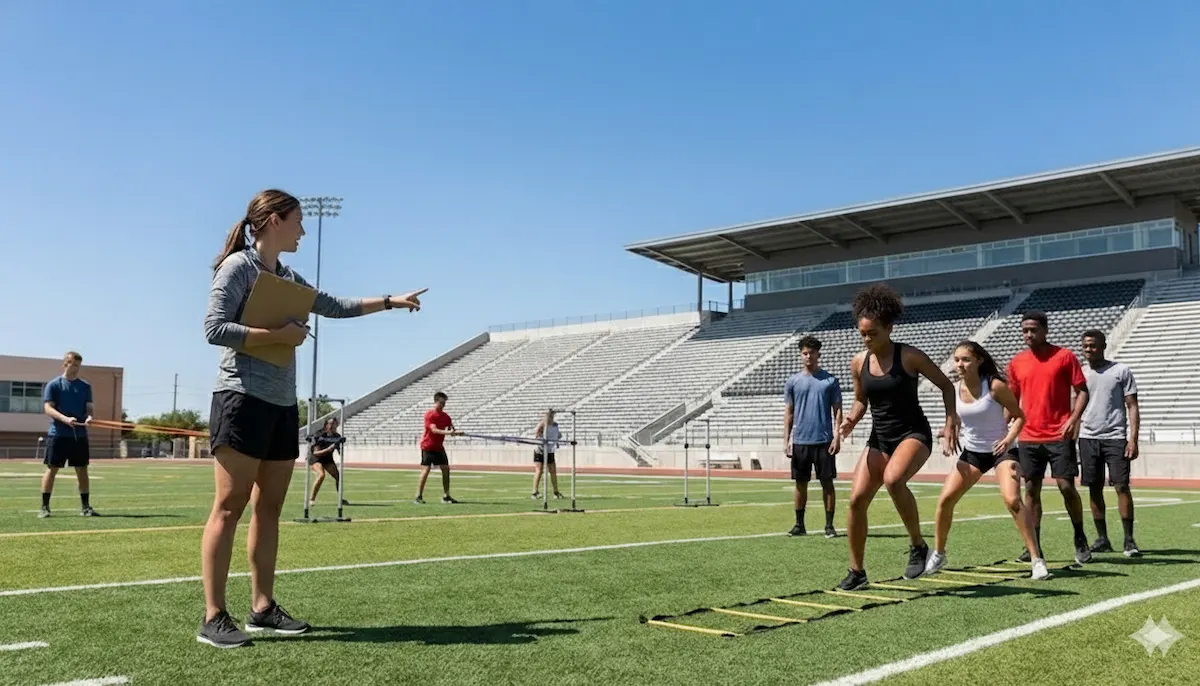
Modern coaching is deeply rooted in scientific principles. Coaches rely on biomechanics, exercise physiology, sports psychology, and recovery science to enhance athletic performance.
As explored in The Logic of Sports Science, elite-level coaching integrates data analysis, structured training, and evidence-based methodologies.
3. Fitness and Training Industry Careers
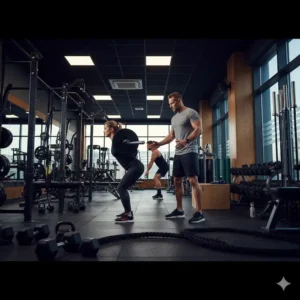
Fitness trainers and strength & conditioning specialists design programs based on evidence-based systems such as progressive overload, endurance conditioning, and plyometric training.
These performance principles are detailed in Performance: Training Methods, forming the scientific backbone of modern fitness practice.
4. Sports Science & Allied Health Careers
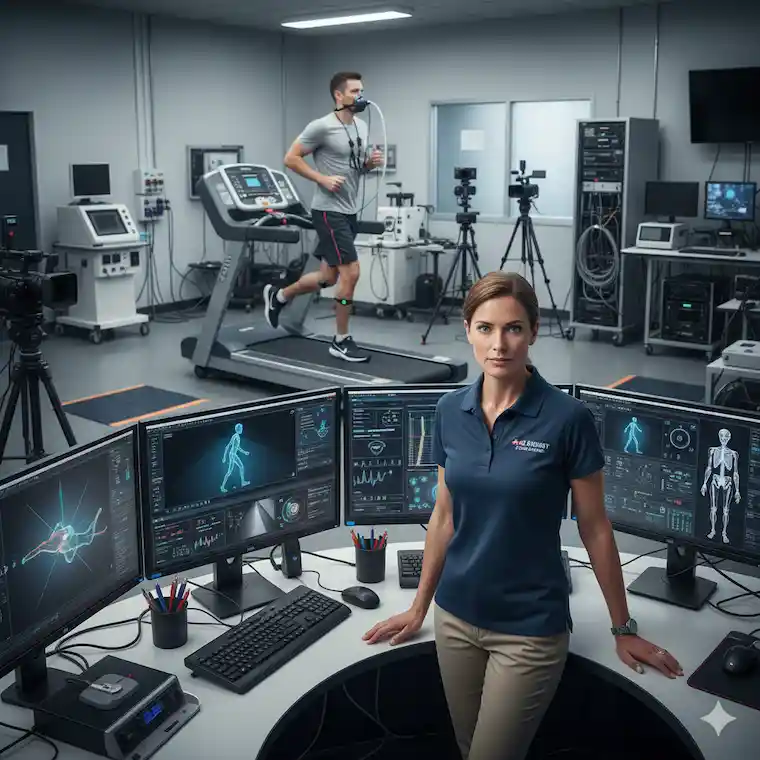
Careers such as sports scientist, exercise physiologist, and performance analyst bridge research with real-world athletic application.
These professionals apply scientific principles to optimize performance, reduce injury risk, and enhance recovery outcomes.
5. Rehabilitation and Therapy-Oriented Careers
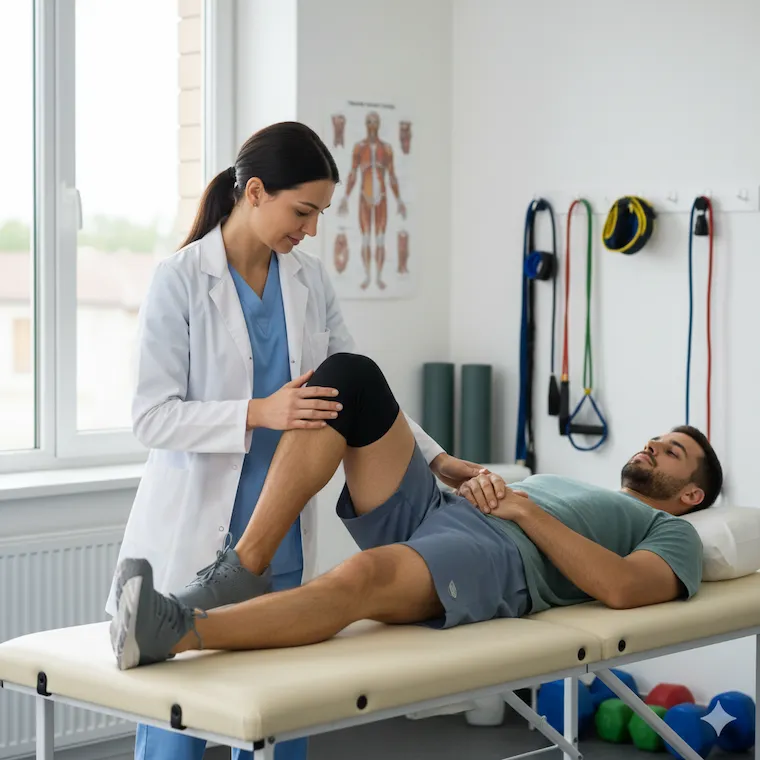
Physiotherapists and kinesiotherapists integrate movement science with medical rehabilitation strategies.
Their work aligns closely with preventive health and long-term wellness frameworks discussed in Longevity: Health & Nutrition.
6. Corporate Wellness and Health Promotion Careers
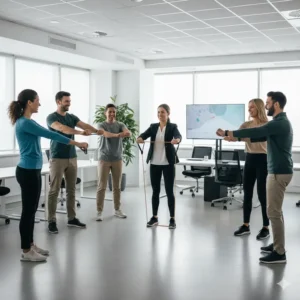
Corporate wellness consultants design fitness, posture correction, stress-management, and lifestyle intervention programs for organizations.
This growing sector reflects the increasing integration of Physical Education principles into workplace productivity and employee well-being initiatives.
7. Sports Management and Administration Careers
Sports managers oversee operations, athlete welfare, budgeting, event coordination, and program development within academies, federations, and clubs.
These roles combine Physical Education knowledge with leadership and organizational skills.
Skills Required for Success in Physical Education Careers
Successful PE professionals share:
- Scientific understanding of movement
- Practical training skills
- Communication and leadership abilSuccessful Physical Education professionals typically demonstrate:
- Strong scientific understanding of human movement
- Practical training and instructional skills
- Leadership and motivational ability
- Communication and interpersonal competence
- Analytical thinking and performance evaluation skills
- These competencies emerge from the holistic framework of Physical Education described in Meaning & Definition of Physical Education. ity
Educational Pathway for Physical Education Careers
A structured academic pathway typically includes:
- School-level Physical Education exposure
- Bachelor’s degree in Physical Education, Sports Science, or related field
- Specialized certifications (Strength & Conditioning, Sports Nutrition, Coaching, Rehabilitation)
- Postgraduate studies for advanced academic or research roles
- Continuous professional development and skill enhancement
Physical Education is a lifelong learning profession that requires adaptability to scientific and technological advancements.
Salary and Growth Potential
Earning potential depends on specialization:
- Teaching → Stable growth
- Fitness & Coaching → High performance-based income
- Sports Science & Rehab → Strong profesEarning potential varies based on specialization, geographic region, and experience level.
- Teaching careers offer stable and structured growth.
- Performance coaching and fitness roles may offer performance-based income potential.
- Sports science and rehabilitation careers often provide strong professional demand.
- Corporate wellness consulting may command premium compensation in large organizations.sional demand
- Corporate Wellness → Premium packages
Challenges in Physical Education Careers
Despite opportunities, challenges include:
- Need for continuous upskilling
- Physical demands
- High competition in elite roles
Strong foundations in sports science and health help professionals sustain long careers.
Future of Careers in Physical Education
The future is driven by:
- Preventive healthcare
- Wearable technology
- Personalized fitness
- Mental health integration
Physical Education is shifting toward science-driven, evidence-based professional practice.
Expert Tips for PE Career Aspirants
✔ Start with understanding why a movement works
✔ Combine training with nutrition and recovery
✔ Prioritize form and long-term health
✔ Build scientific knowledge alongside physical skills
Conclusion: Physical Education as a Lifelong Profession
Careers in Physical Education are not fallback options; they are purpose-driven professional pathways grounded in science, education, and social responsibility.
Whether teaching students, coaching elite athletes, advancing sports science research, or promoting public health initiatives, Physical Education professionals contribute directly to healthier and more resilient societies.
Physical Education is more than a subject.
It is a profession built on knowledge, discipline, leadership, and lifelong commitment to human development.
❓ Frequently Asked Questions (FAQs)
1. What career opportunities are available in Physical Education?
Careers in Physical Education include roles such as School Physical Education Teacher, Sports Coach, Strength & Conditioning Specialist, Sports Scientist, Athletic Trainer, Fitness Consultant, Corporate Wellness Advisor, and Sports Administrator. The field also offers emerging opportunities in sports analytics and performance technology.
2. Is Physical Education a good career choice?
Yes. Physical Education is a strong and purpose-driven career choice, especially as global awareness of health, fitness, and preventive healthcare continues to grow. It offers stable teaching roles, performance-based fitness careers, and research-oriented sports science opportunities.
3. What qualifications are required for a career in Physical Education?
Most careers require a Bachelor’s degree in Physical Education, Sports Science, or a related discipline. Specialized certifications in strength training, coaching, sports nutrition, or rehabilitation can further enhance professional prospects.
4. What skills are essential for success in Physical Education careers?
Key skills include scientific understanding of human movement, practical training expertise, communication ability, leadership qualities, performance analysis, and adaptability to new training technologies.
5. Can Physical Education professionals work internationally?
Yes. Physical Education qualifications and skills are globally recognized. Opportunities exist in schools, universities, sports organizations, healthcare institutions, and fitness industries across many countries.
6. What is the future scope of Physical Education careers?
The future of Physical Education is driven by preventive healthcare initiatives, wearable technology integration, personalized fitness programs, and mental health awareness. Science-based and technology-supported roles are expected to expand significantly.
7. What is the difference between a Physical Education teacher and a sports coach?
A Physical Education teacher focuses on structured educational development within academic institutions, emphasizing holistic growth. A sports coach primarily concentrates on performance improvement and competitive success in specific sports.
8. Are Physical Education careers financially rewarding?
Income potential varies by specialization and experience. Teaching roles provide stable income growth, while fitness training, performance coaching, sports science, and corporate wellness roles may offer higher earning potential based on expertise and demand.