
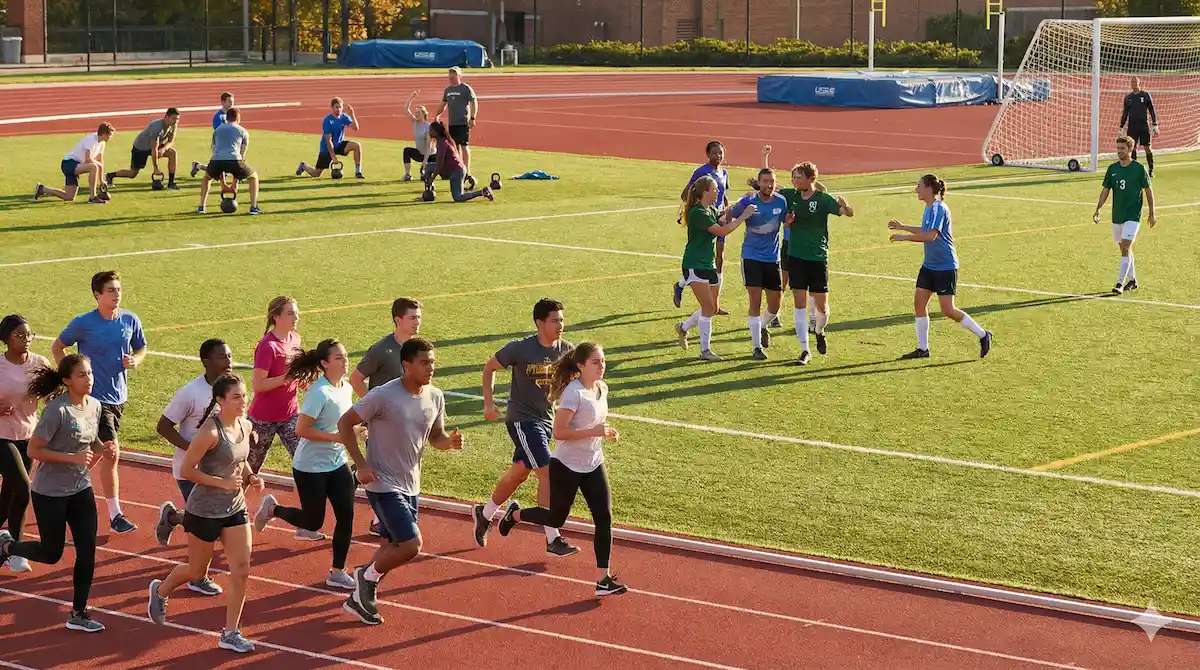
Introduction: Why Physical Education Matters More Than Ever
In today’s fast-paced, technology-driven world, physical inactivity has become one of the biggest global health challenges. Children spend more time on screens, adults follow sedentary work routines, and lifestyle diseases are rising at an alarming rate. In this context, Physical Education (PE) is no longer just a school subject—it is a vital foundation for lifelong health, productivity, and well-being.
Physical Education plays a crucial role in shaping not only the physical fitness of individuals but also their mental strength, emotional balance, social skills, and moral values. The impact, scope, and importance of Physical Education extend far beyond playgrounds and sports fields. It influences academic performance, character development, national health, and even economic productivity.
This article explores the impact, scope, and importance of Physical Education in detail, supported by real-life examples, educational insights, and practical relevance for students, teachers, parents, coaches, and policymakers.
Understanding Physical Education in a Modern Context
Physical Education is a structured educational process that uses physical activities to develop physical fitness, motor skills, mental alertness, social cooperation, and emotional stability. Unlike casual exercise, PE follows scientific principles and educational objectives.
Modern Physical Education integrates:
- Exercise science
- Sports psychology
- Health education
- Movement skills
- Lifestyle management
It prepares individuals not only to perform better in sports but also to live healthier and more disciplined lives.
Impact of Physical Education on Human Development
1. Physical Development
The most visible impact of Physical Education is on physical development. Regular participation in PE activities improves:
- Muscular strength and endurance
- Cardiovascular fitness
- Flexibility and posture
- Bone density and joint health
- Coordination, balance, and agility
For children and adolescents, Physical Education supports healthy growth and prevents posture-related problems. For adults, it helps maintain fitness and delay age-related physical decline.
Real-life example:
Schools that follow daily Physical Education programs often report fewer cases of childhood obesity and better overall fitness levels among students compared to schools with minimal PE exposure.
2. Mental and Cognitive Impact
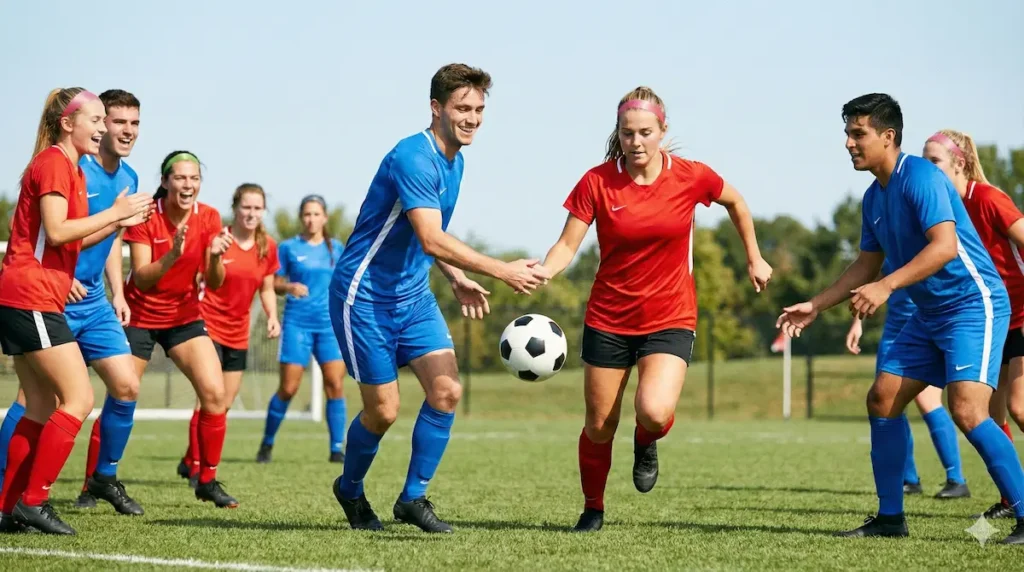
Physical Education has a strong connection with brain health and learning ability. Scientific research shows that physical activity increases blood flow to the brain, Sports science principles explain how physical activity improves learning and concentration., memory, and problem-solving skills.
Key mental benefits include:
- Improved attention span
- Better academic performance
- Reduced stress and anxiety
- Enhanced decision-making abilities
Students who participate regularly in Physical Education often perform better academically because their minds remain more alert and focused.
3. Emotional and Psychological Well-Being
Physical Education contributes significantly to emotional stability and mental resilience. Participation in sports and physical activities helps individuals learn how to manage emotions such as fear, frustration, excitement, and disappointment.
PE helps in:
- Building self-confidence
- Developing emotional control
- Reducing symptoms of depression
- Improving self-esteem and body image
For many students, Physical Education becomes a healthy outlet to release emotional stress and develop a positive self-identity.
4. Social Development and Life Skills
One of the most important impacts of Physical Education is social development. Through team sports and group activities, individuals learn essential life skills such as:
- Cooperation and teamwork
- Leadership and responsibility
- Communication skills
- Respect for rules and authority
- Fair play and sportsmanship
These skills extend far beyond sports and become valuable assets in personal relationships and professional life.
Scope of Physical Education
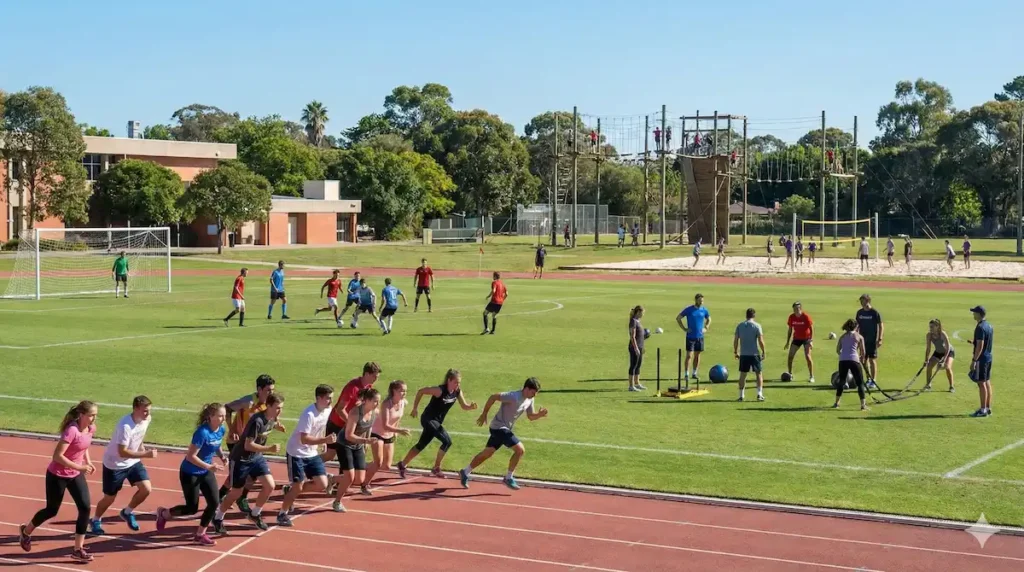
The scope of Physical Education is vast and continuously expanding with advancements in science, technology, and lifestyle needs.
1. Physical Education in Schools
At the school level, Physical Education:
- Builds fundamental movement skills
- Promotes healthy habits from an early age
- Supports holistic development of children
It forms the foundation for future participation in sports, fitness activities, and active lifestyles.
2. Physical Education in Higher Education
In colleges and universities, Physical Education extends into:
- Sports science
- Fitness and wellness programs
- Coaching and athletic training
- Research and performance analysis
It opens career pathways in teaching, coaching, fitness training, sports management, and health promotion.
3. Physical Education as a Career Field
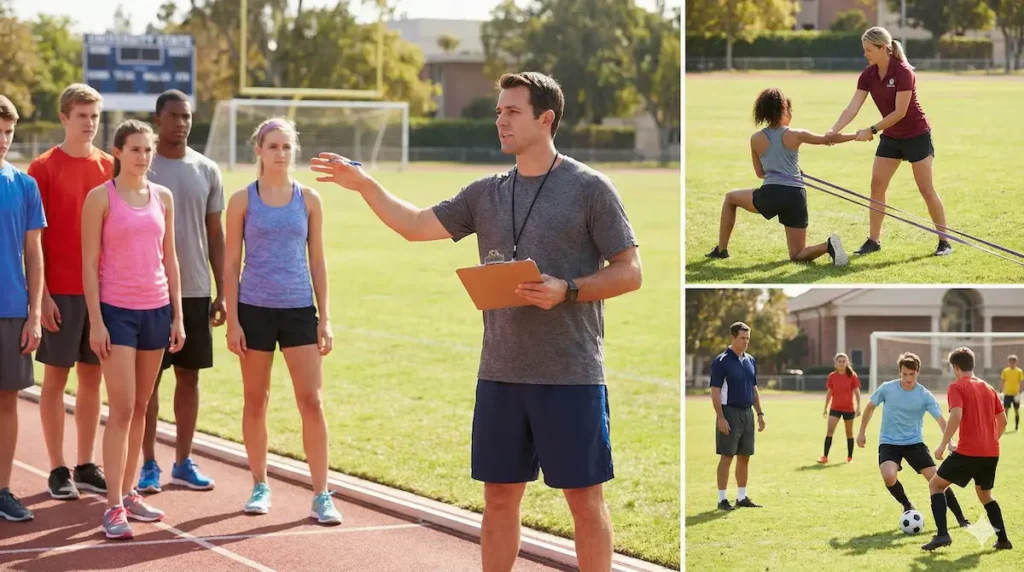
Career opportunities in Physical Education are expanding with the growth of sports and fitness industries.
The scope of Physical Education includes multiple professional opportunities, such as:
- Physical Education teacher
- Sports coach
- Fitness trainer
- Sports scientist
- Rehabilitation and wellness expert
- Sports administrator
With growing awareness of health and fitness, the demand for qualified Physical Education professionals is increasing globally.
4. Role in Public Health and Society
Physical Education plays a critical role in improving national health standards. Regular physical activity helps prevent lifestyle diseases such as:
- Obesity
- Diabetes
- Heart disease
- Hypertension
Countries that promote Physical Education and physical activity experience lower healthcare costs and a healthier population.
Importance of Physical Education in Daily Life
1. Prevention of Lifestyle Diseases
One of the greatest contributions of Physical Education is disease prevention. Regular physical activity helps in the prevention of lifestyle diseases. reduces the risk of chronic illnesses and improves overall quality of life.
PE promotes:
- Active lifestyles
- Healthy body composition
- Improved metabolic health
2. Character Building and Moral Values
Physical Education instills values that are difficult to teach through textbooks alone. These include:
- Discipline and self-control
- Honesty and integrity
- Perseverance and patience
- Respect for others
Sports and games provide real-life situations where these values are practiced naturally.
3. Development of Leadership Qualities
Physical Education nurtures leadership qualities by giving students opportunities to:
- Lead teams
- Make decisions under pressure
- Accept responsibility
- Inspire and motivate others
These leadership skills remain valuable throughout life.
4. Lifelong Fitness and Wellness
The ultimate importance of Physical Education lies in its ability to promote lifelong health. Individuals who develop physical literacy through PE are more likely to stay active as adults.
This leads to:
- Better quality of life
- Increased productivity
- Reduced healthcare dependency
- Improved mental well-being
Impact of Physical Education on Academic Performance
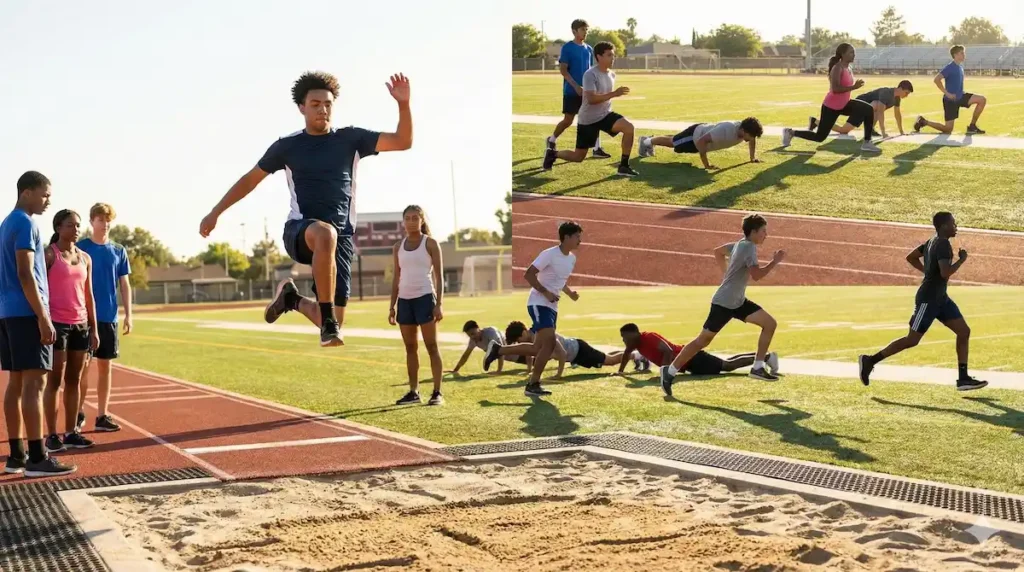
Contrary to the belief that PE distracts from academics, evidence shows that it actually enhances learning. Students who are physically active:
- Show better classroom behavior
- Have improved concentration
- Experience reduced mental fatigue
Physical Education supports a balanced education system where mind and body develop together.
Role of Physical Education in Nation Building
A physically fit population contributes to national strength. Physical Education supports:
- Youth development
- Military and defense readiness
- Workforce productivity
- Sports excellence and national pride
Countries that invest in Physical Education often excel in international sports and maintain healthier societies.
Challenges and the Need for Strong PE Programs
Despite its importance, Physical Education faces challenges such as:
- Lack of trained teachers
- Inadequate infrastructure
- Academic pressure reducing PE time
- Limited awareness of its value
Addressing these challenges requires policy support, awareness campaigns, and integration of modern sports science principles.
Future Scope of Physical Education
The future of Physical Education lies in:
- Integration with sports science
- Use of technology and data analysis
- Focus on mental health and wellness
- Inclusive programs for all age groups
Physical Education will continue to evolve as a key pillar of holistic education and public health.
Conclusion: Why Physical Education Is Essential for Everyone
The impact, scope, and importance of Physical Education make it an indispensable part of education and society. It shapes healthier individuals, stronger communities, and more productive nations. Physical Education is not just about sports—it is about preparing individuals for life.
By promoting physical fitness, mental strength, emotional balance, and social responsibility, Physical Education plays a transformative role in human development. Investing in Physical Education is ultimately an investment in the future of society.
❓ Frequently Asked Questions (FAQs)
1. What is the importance of Physical Education in modern life?
Physical Education is important in modern life because it promotes physical fitness, mental well-being, emotional balance, and healthy lifestyle habits. In a sedentary world, PE helps reduce stress, prevent lifestyle diseases, and improve overall quality of life.
2. What is the scope of Physical Education?
The scope of Physical Education is wide and includes school education, higher education, sports training, fitness and wellness programs, coaching, sports science, public health, and career opportunities in teaching, fitness, and sports management.
3. How does Physical Education impact physical development?
Physical Education improves physical development by enhancing strength, endurance, flexibility, posture, coordination, and cardiovascular health. It supports healthy growth in children and maintains fitness and mobility in adults.
4. What is the role of Physical Education in mental and emotional health?
Physical Education helps improve mental health by reducing stress, anxiety, and depression. It builds self-confidence, emotional control, and resilience through regular physical activity and participation in sports.
Physical Education develops social skills such as teamwork, cooperation, leadership, communication, discipline, and sportsmanship. These skills are learned naturally through group activities and team sports.
6. Why is Physical Education important for students?
Physical Education is important for students because it supports holistic development—physical, mental, emotional, and social. It also improves concentration, academic performance, classroom behavior, and lifelong fitness habits.
7. How does Physical Education prevent lifestyle diseases?
Regular participation in Physical Education promotes active living, healthy body composition, and better metabolic health. This helps prevent lifestyle diseases such as obesity, diabetes, heart disease, and hypertension.
8. What career opportunities are available in Physical Education?
Career opportunities in Physical Education include physical education teacher, sports coach, fitness trainer, sports scientist, wellness expert, sports administrator, and rehabilitation professional.
9. What is the importance of Physical Education in nation building?
Physical Education contributes to nation building by improving public health, increasing workforce productivity, developing disciplined youth, promoting sports excellence, and reducing healthcare costs.
10. Why should Physical Education be compulsory in schools?
Physical Education should be compulsory in schools because it ensures balanced development of mind and body, builds healthy habits early, improves learning ability, and prepares students for a healthy and active life.