Introduction: Why Sports Science Is More Than Just Training
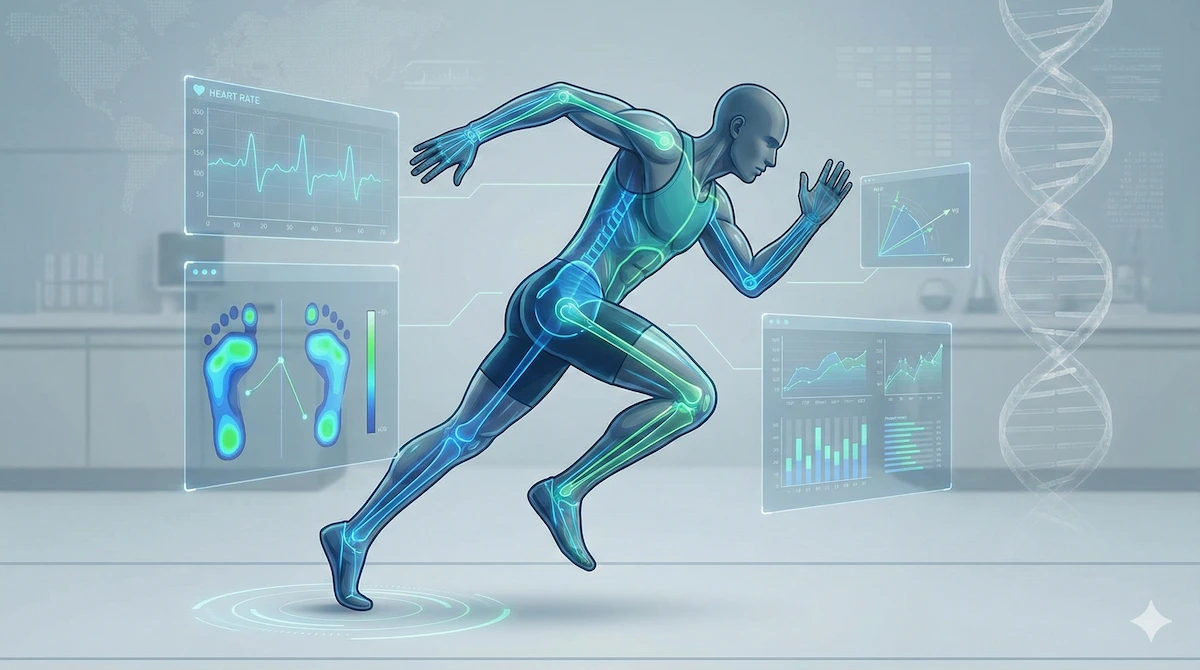
In modern sport and physical performance, success is no longer determined by talent alone. Behind every elite athlete, championship-winning team, or record-breaking performance lies a structured scientific foundation. This foundation is known as sports science.
Sports science is not simply about exercise or training intensity. It is the disciplined application of scientific reasoning to understand how the human body moves, adapts, recovers, and performs under physical stress. From muscle contraction and energy production to neuromuscular coordination and psychological readiness, sports science provides the logical framework that explains why certain training methods work and how performance can be optimized safely.
Historically, athletes trained based on tradition, imitation, or intuition. Today, that approach is no longer sufficient. Training without scientific understanding often leads to overtraining, injuries, stagnation, and inconsistent results. Sports science replaces guesswork with evidence. It shifts performance development from trial-and-error to structured reasoning.
This article explores the core logic of sports science, explains how scientific thinking drives athletic progress, and demonstrates how evidence-based principles apply across educational settings, competitive sport, and long-term health development.
Sports science is closely connected to the broader educational foundation explained in our Complete Guide to Physical Education, where structured movement development and scientific reasoning form the basis of holistic growth.
What Is Sports Science?
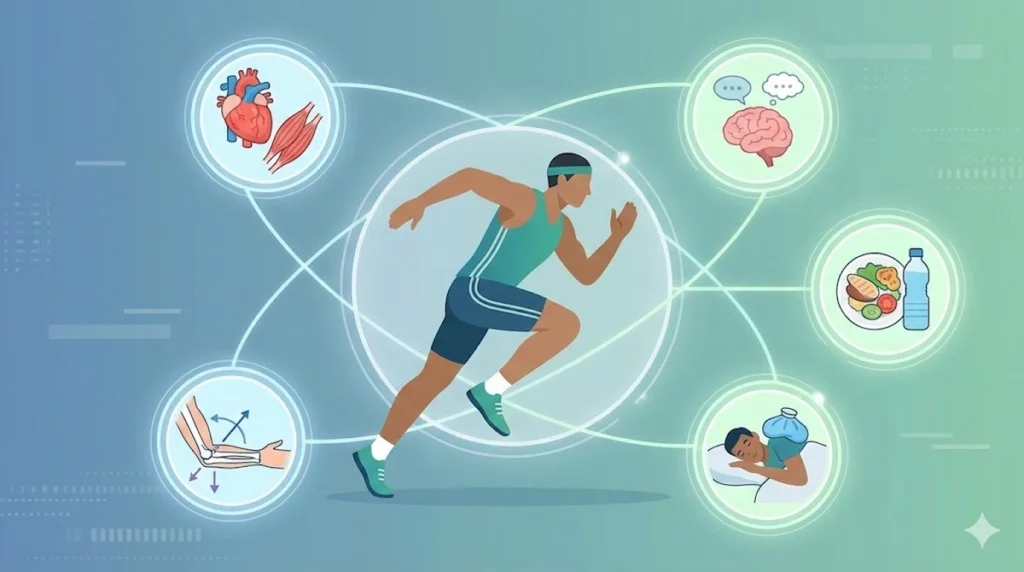
Sports science is the interdisciplinary study of how the human body responds to physical activity, training, and performance demands. It integrates multiple scientific domains to optimize movement efficiency, physical capacity, and recovery.
At its core, sports science seeks to answer three fundamental questions:
-
How does the body produce movement?
-
How does the body adapt to training?
-
How can performance be improved safely and sustainably?
Sports science is closely connected to the broader educational foundation of Physical Education. While Physical Education focuses on structured development of movement and holistic growth, sports science provides the scientific reasoning behind those practices.
It is the systematic study of how the human body responds to physical activity and training—closely connected with the educational foundation of physical education.
2. Biomechanics
Biomechanics applies the laws of physics to human movement.
It examines:
- Force production
- Joint angles
- Leverage
- Acceleration
- Balance
- Movement efficiency
Biomechanical analysis helps improve technique, reduce injury risk, and maximize performance output.
3. Sports Psychology
Sports psychology focuses on mental performance.
It studies:
- Motivation
- Confidence
- Focus
- Stress management
- Emotional control
- Performance under pressure
In high-level sport, psychological preparation often determines competitive outcomes.
4. Motor Learning and Control
Motor learning examines how skills are acquired, refined, and automated.
It identifies:
- Stages of learning
- Feedback mechanisms
- Neural adaptation
- Practice structure
Effective coaching depends on understanding how movement skills develop over time.
5. Sports Nutrition
Sports nutrition evaluates how dietary intake supports performance.
It focuses on:
- Energy balance
- Macronutrient timing
- Hydration
- Recovery fueling
- Supplement strategies
Nutrition supports both immediate performance and long-term adaptation.
6. Recovery Science
Recovery science examines how rest, sleep, and load management influence adaptation.
It includes:
- Sleep optimization
- Active recovery
- Periodization
- Injury prevention
- Regeneration strategies
Adaptation does not occur during training — it occurs during recovery.
Integration: The Core Principle
The true logic of sports science lies not in isolated disciplines, but in their integration. Performance optimization occurs when physiology, biomechanics, psychology, nutrition, and recovery are aligned within a structured plan. Zed.
The Core Logic of Sports Science
At the heart of sports science lies a systematic reasoning model. This model transforms performance development into a measurable, adaptable process.
The Scientific Reasoning Framework
- Observation
Identify performance limitations or inefficiencies. - Measurement
Collect objective data such as strength output, heart rate, speed, power, or fatigue markers. - Analysis
Interpret data using physiological and biomechanical principles. - Application
Design individualized training interventions. - Evaluation
Monitor adaptation and adjust the program accordingly.
This structured reasoning ensures that training decisions are evidence-based rather than assumption-driven.
Evidence-Based Training vs Traditional Guesswork
In the past, many training programs were based on imitation. Athletes copied routines from champions without understanding individual differences.
Modern sports science rejects this approach.
Instead of copying routines blindly, athletes now rely on:
-
Individual assessment
-
Performance data
-
Movement screening
-
Recovery monitoring
-
Scientific validation
This shift from tradition to evidence represents the true evolution of sport.
Real-Life Example: Individualization in Training
Consider two football players following the same strength program for eight weeks. One improves speed and power. The other develops fatigue and knee discomfort.
Scientific evaluation may reveal:
-
Differences in biomechanics
-
Load tolerance variation
-
Recovery capacity imbalance
-
Previous injury history
By adjusting volume, correcting movement patterns, and improving recovery, sustainable progress becomes possible.
Key Lesson: One program does not fit all.
Exercise Physiology: The Logic of Energy Systems
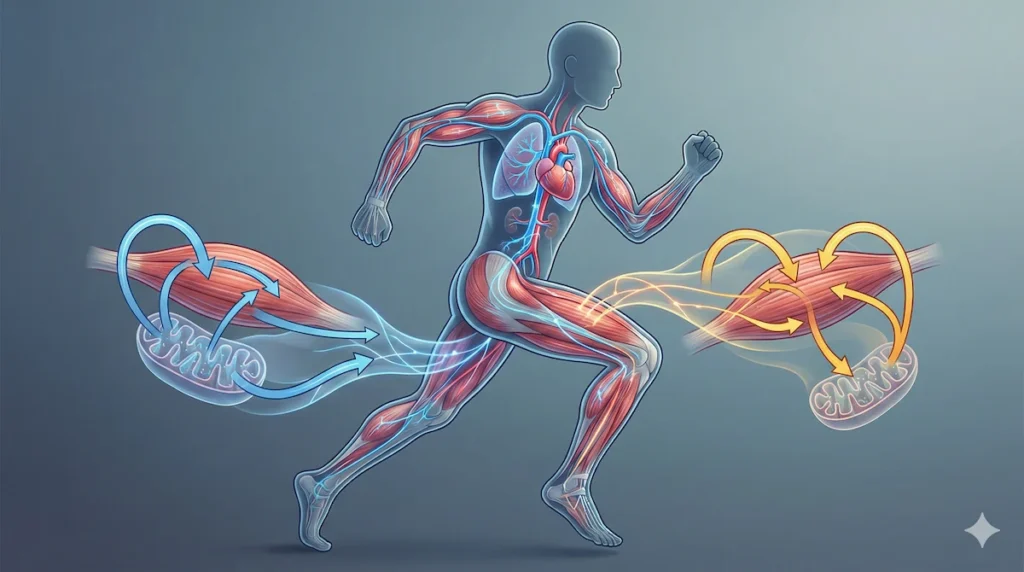
All athletic performance depends on energy production. However, different sports rely on different energy systems.
The Three Energy Systems
-
ATP-PC System
Short, explosive efforts such as sprinting or jumping. -
Anaerobic Glycolysis
High-intensity efforts lasting 30–120 seconds. -
Aerobic System
Long-duration endurance activities.
Training must match the sport’s energy demands. A sprinter trained like a marathon runner will lose speed. A marathon runner trained like a sprinter will lose endurance.
These principles are further explored in our detailed article on Performance: Training Methods, where training specificity and structured progression are discussed in depth.
Real-Life Example: Sprinter vs Marathon Runner
- A sprinter trains short, high-intensity bursts to develop ATP-PC efficiency
- A marathon runner focuses on aerobic endurance and oxygen utilization
Training a sprinter like a marathon runner would reduce speed, while training a marathon runner like a sprinter would reduce endurance.
➤ Logical Principle: Training must match the sport’s energy demands.
Biomechanics: The Science of Efficient Movement
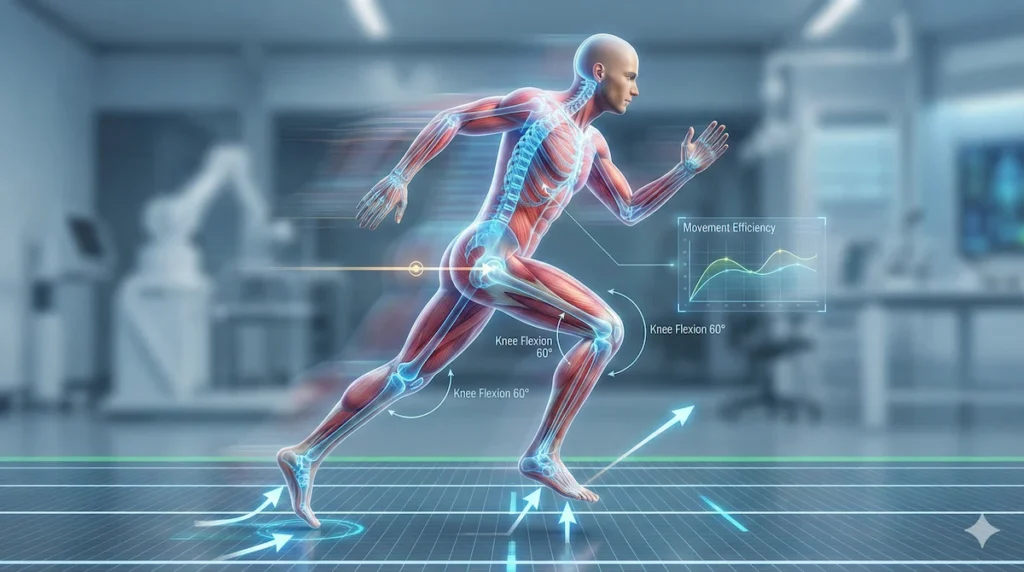
Small mechanical adjustments can produce significant performance improvements.
Example: Long Jump Technique
Two athletes possess similar strength levels. One consistently jumps farther. Biomechanical analysis reveals:
-
Better take-off angle
-
Improved arm coordination
-
Efficient foot placement
After technical correction, performance improves without increasing strength.
Expert Insight: Efficiency often matters more than effort.
Sports Psychology: The Mental Logic of Performance

Studies show that penalty success is influenced more by:
- Decision speed
- Confidence
- Pre-kick routine
Athletes trained in sports psychology develop consistent routines, reducing pressure-related errors.
➤ Scientific Truth: The brain controls performance before the body reacts.
Motor Learning: How Skills Are Actually Learned
Skill development follows predictable stages:
- Cognitive Stage – Understanding the movement
- Associative Stage – Refining technique
- Autonomous Stage – Performing automatically
Sports Science Solution
Physical readiness does not guarantee competitive success. Mental readiness is equally critical.
Example: Penalty Kicks
Success often depends on:
-
Pre-performance routine
-
Confidence level
-
Emotional control
-
Decision speed
Psychological training enhances consistency under pressure.
Scientific Truth: The brain directs performance before the body executes it.
Motor Learning: Quality Over Quantity
Skill acquisition follows predictable stages:
-
Cognitive Stage
-
Associative Stage
-
Autonomous Stage
Common Coaching Mistake: Repeating drills endlessly without feedback.
Scientific Solution:
-
Structured progression
-
Variable practice
-
Specific feedback
-
Gradual complexity increase
Logical Principle: Intelligent practice accelerates learning.
Nutrition: Fueling Adaptation
Energy intake must match energy demand.
Athletes who underfuel often experience:
-
Early fatigue
-
Slower recovery
-
Increased injury risk
Scientific nutrition aligns intake with training intensity and recovery needs.
Recovery Science: Why Rest Is Part of Training
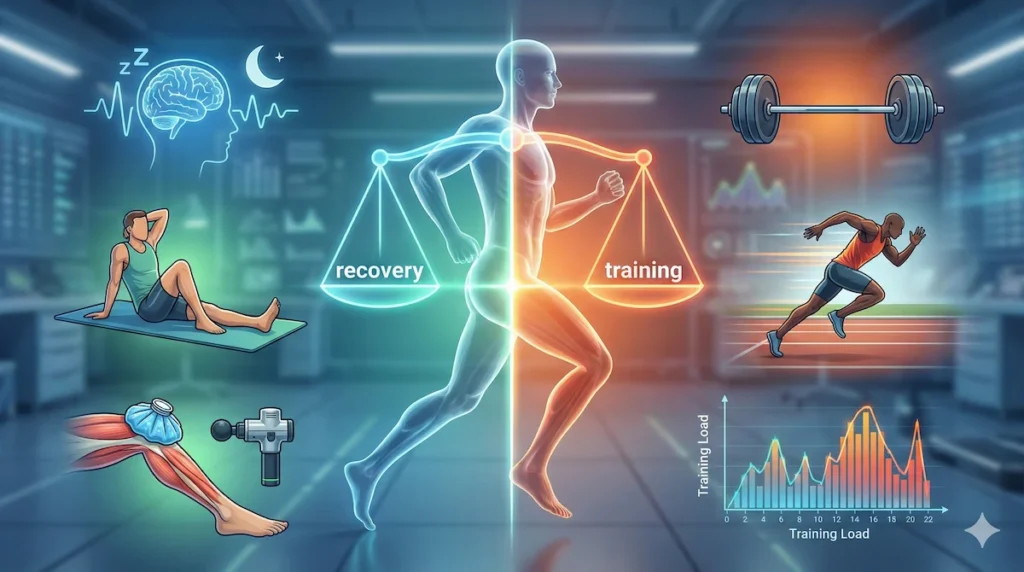
Training creates stress. Recovery rebuilds stronger systems.
Overtraining occurs when stress exceeds recovery capacity.
Scientific Recovery Includes:
-
Sleep management
-
Active recovery
-
Periodization
-
Load monitoring
Adaptation occurs during rest, not during exertion.
Long-term adaptation and sustainable development are also aligned with the principles discussed in Longevity: Health & Nutrition, which emphasize preventive health and balanced recovery strategies.
Periodization: Long-Term Logic
Periodization organizes training into phases:
-
Preparation
-
Competition
-
Recovery
This structure prevents burnout and maximizes peak performance timing.
Without periodization, progress becomes inconsistent and injury risk increases.
The Future of Sports Science
Modern sports science integrates:
-
Wearable technology
-
AI-based performance analytics
-
Biometric monitoring
-
Personalized training algorithms
-
Data-driven recovery models
The field continues evolving toward precision, safety, and ethical athlete-centered practice.
Example
A year-round high-intensity program leads to burnout. Periodized training maintains peak performance at the right time.
Expert Tips Based on Sports Science Logic
✔ Train With Purpose
Every exercise should have a clear scientific reason.
✔ Measure, Don’t Guess
Use data—heart rate, workload, recovery markers.
✔ Respect Individual Differences
Age, gender, fitness level, and injury history matter.
✔ Focus on Long-Term Development
Short-term gains should never sacrifice long-term health.
Conclusion: Scientific Logic Changes Everything
The core logic of sports science transforms performance development from instinct-driven repetition into structured, evidence-based progression.
It explains:
-
Why injuries occur
-
Why performance plateaus happen
-
Why some athletes adapt faster
-
How long-term excellence is built sustainably
In both competitive sport and educational environments, sports science strengthens the professional pathways outlined in Careers in Physical Education, where scientific knowledge translates into real-world roles and responsibilities
In sport, knowledge is not optional. It is the foundation of intelligent performance.
Frequently Asked Questions (FAQs)
1. What is the core logic of sports science?
The core logic of sports science is the systematic application of scientific reasoning to improve performance safely and effectively. It involves observation, measurement, analysis, application, and evaluation.
2. Why is sports science important for athletes?
Sports science helps athletes train smarter by aligning physiology, biomechanics, psychology, nutrition, and recovery within a structured plan. It reduces injury risk and improves sustainable performance.
3. How does sports science prevent injuries?
By analyzing biomechanics, load management, recovery patterns, and individual differences, sports science identifies risk factors and corrects them before injuries occur.
4. What is the difference between sports science and coaching?
Coaching focuses on training implementation, while sports science provides the scientific framework that guides those training decisions.
5. Is sports science only for elite athletes?
No. Sports science principles apply to school students, recreational athletes, and health-focused individuals. The logic remains the same, though intensity varies.
6. How does recovery fit into sports science?
Recovery is essential for adaptation. Without adequate rest and load management, performance declines despite increased effort.
7. What is periodization in sports science?
Periodization is the structured organization of training into phases to optimize long-term performance and reduce burnout.
8. How is sports science evolving today?
Advancements in wearable technology, artificial intelligence, and biometric tracking are making sports science more personalized and precise.
4 thoughts on “The Core Logic of Sports Science: How Science Unlocks Peak Athletic Performance”