Introduction: Why Training Methods Define Performance
Athletic performance is not the result of talent alone. It is shaped by how an athlete trains, recovers, adapts, and progresses over time. In modern sports and physical education, performance is no longer built on guesswork or repetitive drills. Instead, it is developed through systematic, scientific, and well-planned training methods.
Training methods determine how effectively the body responds to physical stress and improve athletic performance. how skills are refined, and how long-term improvements are achieved. Whether the goal is elite sports performance, general fitness, or physical education outcomes, proper training methods are the foundation of success.
This article explores performance-focused training methods, explaining their principles, types, applications, and real-life relevance in sports, fitness, and physical education.
Understanding Performance in Training
Performance refers to the ability to execute physical, technical, and mental tasks efficiently in sports and physical education. under specific conditions. It is influenced by several factors:
- Physical fitness (strength, endurance, speed, flexibility)
- Technical skill
- Tactical understanding
- Mental preparedness
- Recovery and adaptation
Training methods are structured approaches designed to improve these components in a planned and progressive manner.
Principles Behind Effective Training Methods
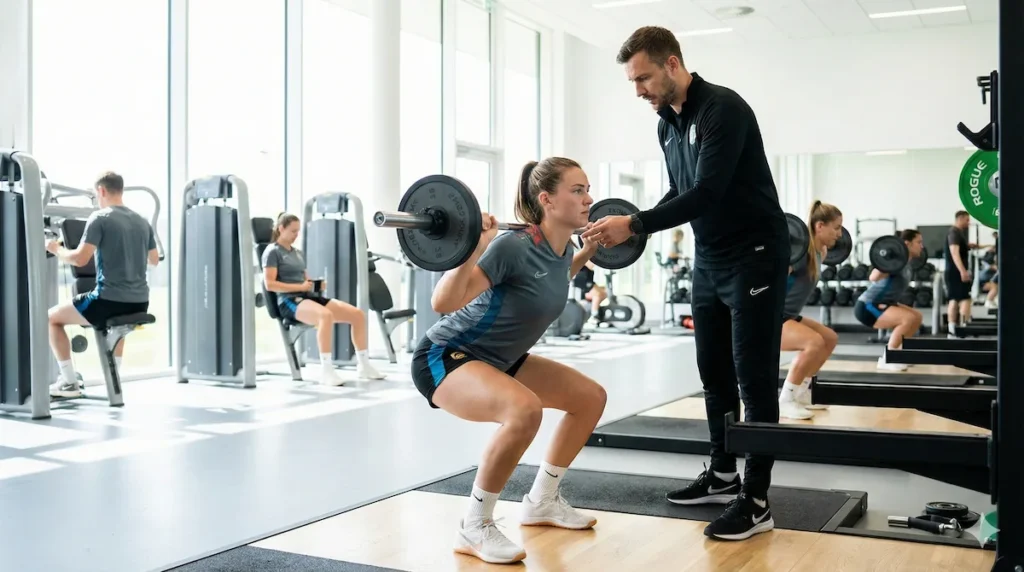
These principles form the foundation of training methods in physical education and sports.
Before understanding different training methods, it is important to understand the core principles that guide performance improvement.
1. Principle of Overload
To improve performance, the body must be exposed to stress beyond its normal level. This overload can be applied through:
- Increased intensity
- Increased volume
- Increased frequency
Without overload, performance stagnates.
2. Principle of Progression
Training load must increase gradually. Sudden increases can lead to injury or burnout, while no progression leads to plateaus.
3. Principle of Specificity
Training adaptations are specific to the type of activity performed. For example:
- Sprinters train speed and power
- Endurance athletes train aerobic capacity
- Team sport athletes train a combination of fitness and skills
4. Principle of Individual Differences
Each individual responds differently to training based on age, gender, fitness level, and genetics. Training methods must be adjusted accordingly.
5. Principle of Recovery and Adaptation
Performance improves during recovery, not during training itself. Proper rest allows the body to adapt to training stress.
Classification of Training Methods
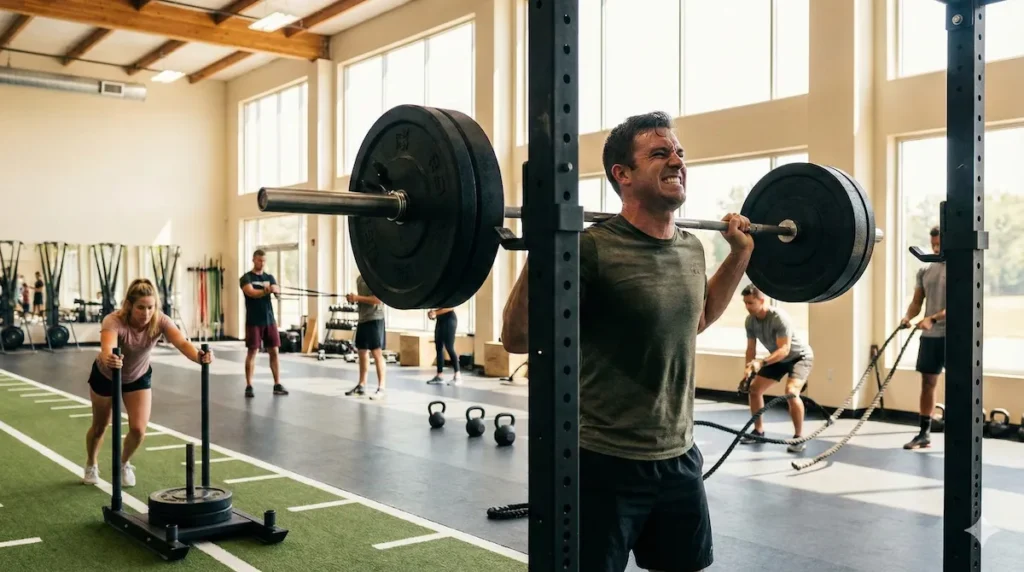
Training methods can be classified based on their purpose and performance outcomes.
1. Strength Training Methods
Strength is the ability of muscles to exert force. Strength training methods are essential for improving performance across almost all sports.
Common Strength Training Methods:
- Isometric training – muscle contraction without movement
- Isotonic training – muscle contraction with movement
- Isokinetic training – controlled-speed resistance
- Resistance training – use of weights, bands, or bodyweight
Performance Benefits:
- Increased muscular strength and power
- Improved injury resistance
- Enhanced movement efficiency
Strength training forms the backbone of sports performance training. and physical education programs.
2. Endurance Training Methods
Endurance refers to the ability to sustain physical activity over time. It is crucial for sports such as running, cycling, swimming, and team sports.
Types of Endurance Training:
- Continuous training – steady pace for long duration
- Interval training – alternating high and low intensity
- Fartlek training – speed play with varied intensity
- Circuit training – multiple exercises in sequence
Performance Benefits:
- Improved cardiovascular efficiency
- Enhanced aerobic capacity
- Better fatigue resistance
3. Speed Training Methods
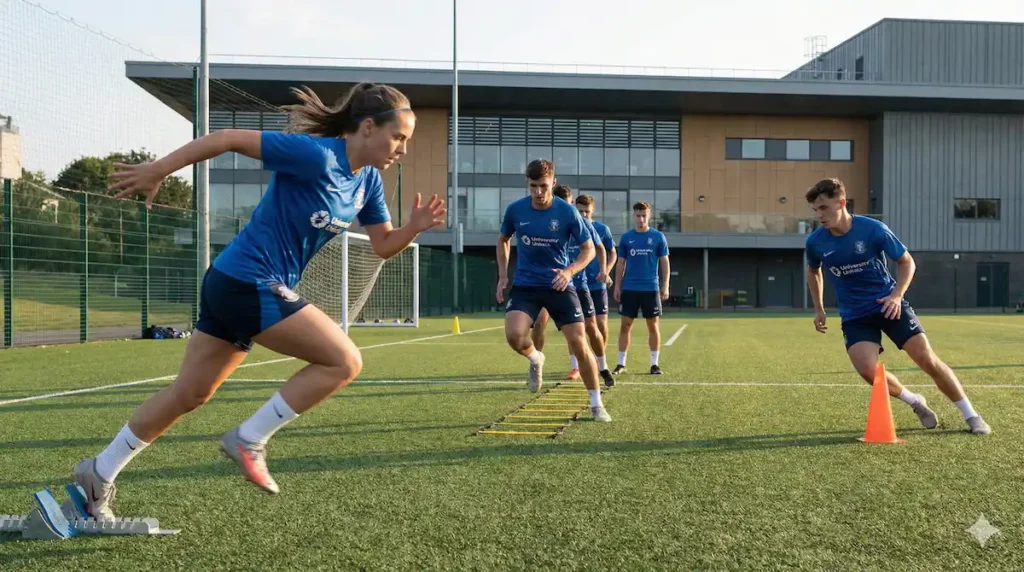
Speed is the ability to perform movements quickly. It includes reaction speed, movement speed, and acceleration.
Speed Training Techniques:
- Sprint drills
- Reaction drills
- Plyometric exercises
- Short-interval high-intensity training
Performance Benefits:
- Faster response time
- Improved acceleration
- Better performance in competitive situations
Speed training is especially important in games and athletic events where quick actions decide outcomes.
4. Flexibility Training Methods
Flexibility is the range of motion around joints. It plays a key role in movement efficiency and injury prevention.
Types of Flexibility Training:
- Static stretching
- Dynamic stretching
- Ballistic stretching
- Proprioceptive Neuromuscular Facilitation (PNF)
Performance Benefits:
- Improved movement quality
- Reduced injury risk
- Enhanced posture and coordination
5. Skill and Technique Training
Performance is incomplete without technical proficiency. Skill training focuses on refining movement patterns and sport-specific techniques.
Methods Used:
- Repetition drills
- Progressive skill development
- Feedback-based correction
- Game-simulated practice
Performance Benefits:
- Improved accuracy and consistency
- Better execution under pressure
- Efficient energy use
6. Tactical and Decision-Making Training
In competitive sports, performance depends on decision-making and tactical awareness.
Tactical Training Methods:
- Game simulations
- Scenario-based drills
- Strategy discussions
- Video analysis
Performance Benefits:
- Improved game intelligence
- Faster decision-making
- Better team coordination
7. Psychological Training Methods
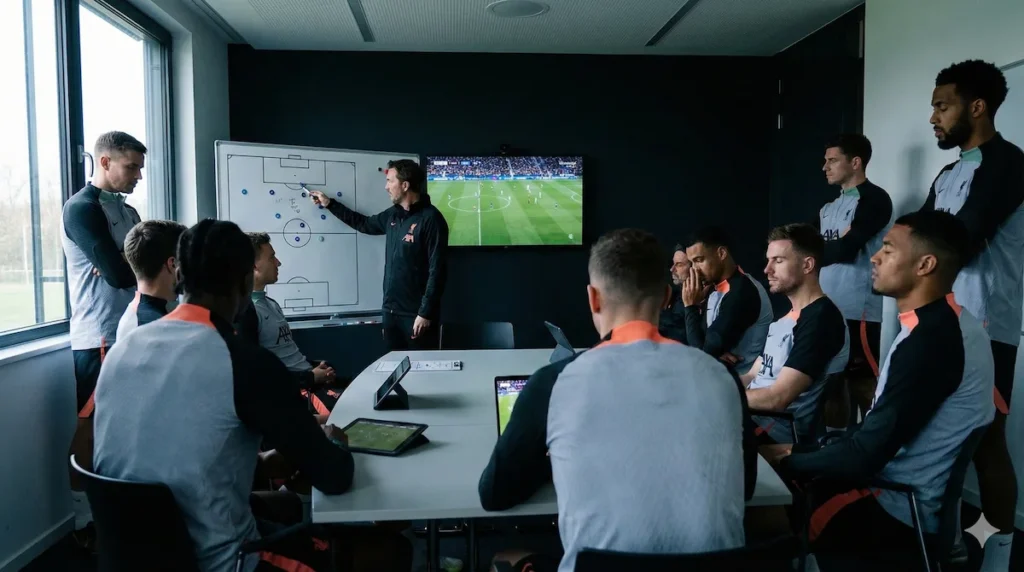
Mental strength is a critical component of performance. Psychological training helps athletes manage pressure and maintain focus.
Psychological Training Techniques:
- Goal setting
- Visualization and imagery
- Relaxation techniques
- Concentration training
Performance Benefits:
- Improved confidence
- Stress management
- Consistent performance under pressure
Training Methods in Physical Education
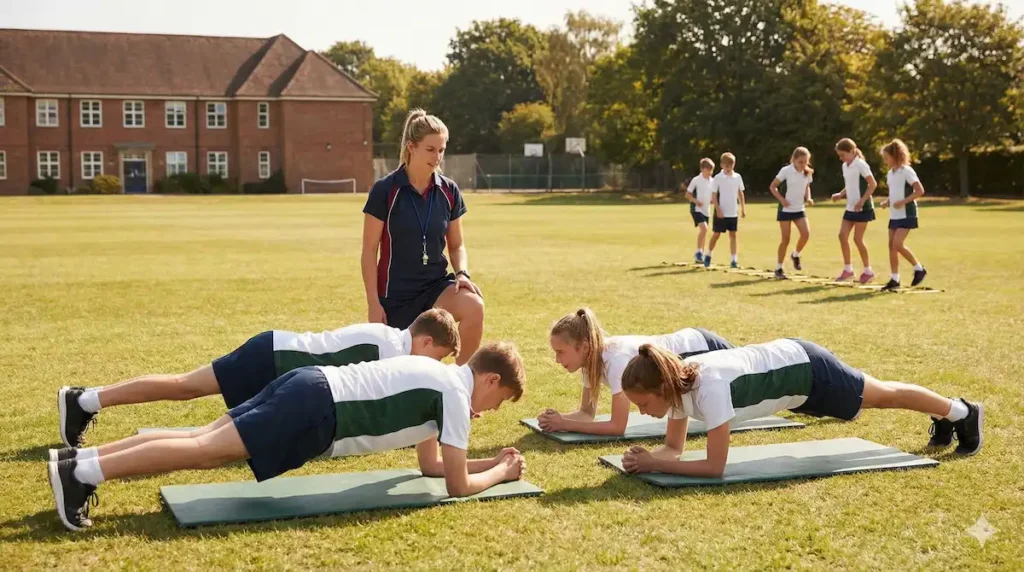
Training methods applied in physical education classes for student development
In Physical Education, training methods are adapted to suit educational goals rather than elite competition.
Key Objectives:
- Development of basic fitness
- Skill acquisition
- Positive attitude toward physical activity
- Lifelong participation in sports and fitness
Training methods in PE focus on safety, enjoyment, and gradual development rather than maximum performance.
Role of Periodization in Performance Training
Periodization refers to the systematic planning of training over time. It divides training into phases such as:
- Preparatory phase
- Competitive phase
- Transition phase
Benefits of Periodization:
- Prevents overtraining
- Maximizes performance at the right time
- Ensures long-term development
Modern training methods rely heavily on periodized planning to balance stress and recovery.
Real-Life Application of Training Methods
Example 1: School-Level Training
Students follow general fitness training combined with skill-based activities to improve overall physical development.
Example 2: Competitive Athletes
Athletes use specialized strength, endurance, and tactical training methods based on their sport.
Example 3: Fitness and Wellness Programs
Adults use endurance, flexibility, and resistance training to maintain health and prevent lifestyle diseases.
Importance of Training Methods for Long-Term Performance
Proper training methods encourage lifelong physical activity and healthy living.
- Improve efficiency and effectiveness
- Reduce injury risk
- Support sustainable performance
- Encourage lifelong physical activity
Poorly designed training programs can lead to fatigue, injury, and loss of motivation.
Challenges in Applying Training Methods
Despite their importance, challenges include:
- Lack of scientific knowledge
- Overtraining due to competition pressure
- Limited facilities or resources
- Ignoring recovery and mental training
Addressing these challenges requires education, planning, and professional guidance.
Future Trends in Training Methods
Modern performance training is evolving with:
- Data-driven training analysis
- Wearable technology
- Personalized training plans
- Integration of mental health strategies
Training methods will continue to become more individualized and evidence-based.
Conclusion: Training Methods as the Foundation of Performance
Performance is not accidental—it is trained. Effective training methods provide a structured pathway to physical excellence, mental strength, and consistent improvement. Whether in Physical Education, competitive sports, or general fitness, well-planned training methods shape performance outcomes.
By applying scientific principles, respecting individual differences, and prioritizing recovery, training methods help individuals reach their full potential. Ultimately, performance training is not just about winning—it is about building strong, healthy, and capable individuals for life.
Explore how scientific thinking shapes performance and training in real life
❓ Frequently Asked Questions (FAQs)
1. What are training methods in sports performance?
Training methods are systematic and planned approaches used to improve physical fitness, skills, mental strength, and overall performance. They include strength, endurance, speed, flexibility, skill, and psychological training methods.
2. Why are training methods important for performance?
Training methods are important because they guide how the body adapts to physical stress, improves efficiency, reduces injury risk, and ensures long-term performance development rather than short-term gains.
3. What are the main principles of training methods?
The main principles of training methods include overload, progression, specificity, individual differences, and recovery. These principles ensure safe, effective, and sustainable performance improvement.
4. What is the role of strength training in performance?
Strength training improves muscular strength, power, movement efficiency, and injury resistance. It forms the foundation of performance in most sports and physical activities.
5. What are endurance training methods?
Endurance training methods include continuous training, interval training, fartlek training, and circuit training. These methods improve cardiovascular fitness, stamina, and fatigue resistance.
6. How does speed training improve athletic performance?
Speed training improves reaction time, acceleration, and movement speed. It helps athletes perform quick actions effectively, which is crucial in competitive sports.
7. Why is flexibility training important in training methods?
Flexibility training improves range of motion, posture, and movement efficiency. It also helps prevent injuries and supports smooth execution of skills.
8. What is the importance of skill and technique training?
Skill and technique training improve accuracy, coordination, and consistency of movement. Proper technique allows athletes to perform efficiently with less energy waste.
9. How do psychological training methods affect performance?
Psychological training methods such as goal setting, visualization, and relaxation improve confidence, focus, and stress management, leading to consistent performance under pressure.
10. What is periodization in training methods?
Periodization is the systematic planning of training into phases to balance training load and recovery. It helps prevent overtraining and ensures peak performance at the right time.
11. How are training methods applied in Physical Education?
In Physical Education, training methods are adapted for safety, enjoyment, and overall development. The focus is on basic fitness, skill learning, and promoting lifelong physical activity rather than elite performance.
12. What are the common challenges in applying training methods?
Common challenges include lack of scientific knowledge, overtraining, limited facilities, ignoring recovery, and excessive competition pressure.
2 thoughts on “Performance Training Methods Explained for Sports and Fitness”