🌍 Physical Education: A Global Perspective on Human Movement
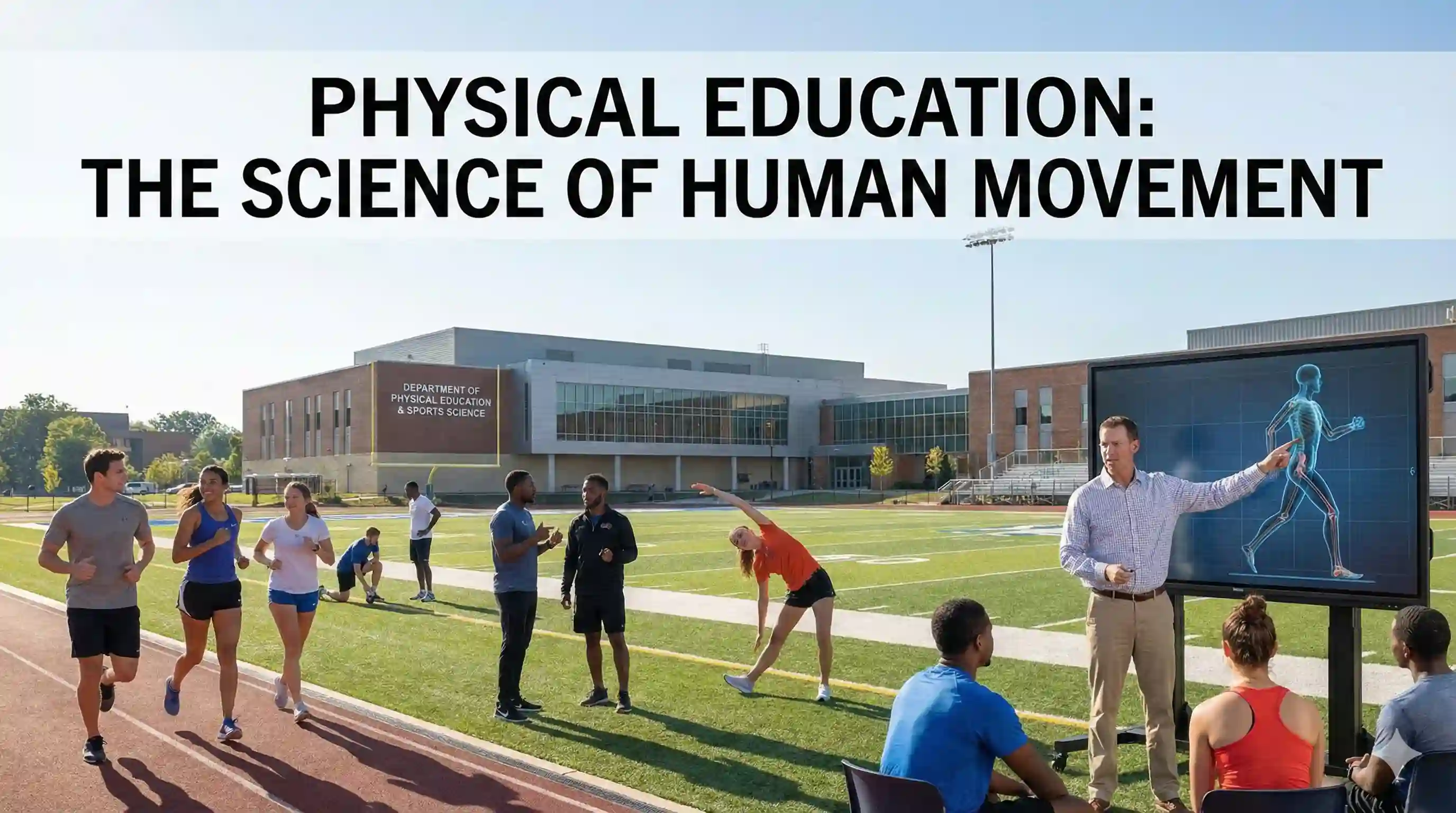
Physical Education is far more than organized sports or classroom physical activity. It is a structured educational discipline dedicated to the scientific study, development, and improvement of human movement. Across schools, universities, and community programs worldwide, physical education plays a foundational role in promoting physical fitness, mental resilience, social development, and lifelong health.
In today’s modern world, where sedentary lifestyles, digital dependency, and non-communicable diseases are rapidly increasing, the role of Physical Education has become more critical than ever. It bridges the gap between scientific knowledge and practical movement, integrating disciplines such as anatomy, physiology, biomechanics, psychology, and nutrition to enhance performance and well-being.
This complete guide explores the meaning, objectives, scope, scientific foundations, training principles, health implications, and career pathways within Physical Education. Whether you are a student, educator, sports professional, or lifelong learner, this guide provides a structured and comprehensive understanding of the field from a global perspective.
Physical Education is not simply about physical strength — it is about holistic development. It nurtures the body, sharpens the mind, strengthens character, and fosters social responsibility. As societies continue to recognize the importance of preventive health and active lifestyles, Physical Education remains at the core of sustainable human development.
What This Complete Guide Covers
This guide is organized into key foundational areas:
-
Fundamentals of Physical Education – Meaning, definitions, and core principles
-
Sports Science Foundations – Anatomy, physiology, biomechanics, and psychology
-
Training & Performance – Scientific principles of athletic development
-
Health & Longevity – Preventive health and lifelong wellness
-
Careers in Physical Education – Professional pathways and global opportunities
Each section builds upon the previous one, creating a structured learning journey from foundational theory to applied practice.
Evolution of Physical Education: From Ancient Roots to Modern Science
The concept of Physical Education has evolved significantly throughout human history. In ancient civilizations such as Greece and Rome, physical training was considered essential for military preparation, athletic competition, and civic responsibility. The Greek ideal of “a sound mind in a sound body” laid the philosophical foundation for structured physical training.
During the industrial revolution, rapid urbanization and sedentary work environments created growing concerns about public health. As a result, formal Physical Education programs began to emerge within schools to promote discipline, strength, and moral development among youth.
In the 20th century, the field transformed further with the integration of scientific research. Advances in anatomy, physiology, biomechanics, and psychology shifted Physical Education from simple physical drills to an evidence-based academic discipline. Today, Physical Education is recognized globally as a multidisciplinary field that combines scientific knowledge with practical application to support lifelong health and performance.
Modern Physical Education now emphasizes holistic development — nurturing physical fitness, cognitive growth, emotional resilience, and social responsibility. As global health challenges continue to rise, the role of Physical Education has become increasingly central to sustainable human development.
PE Fundamentals: Meaning & Definition
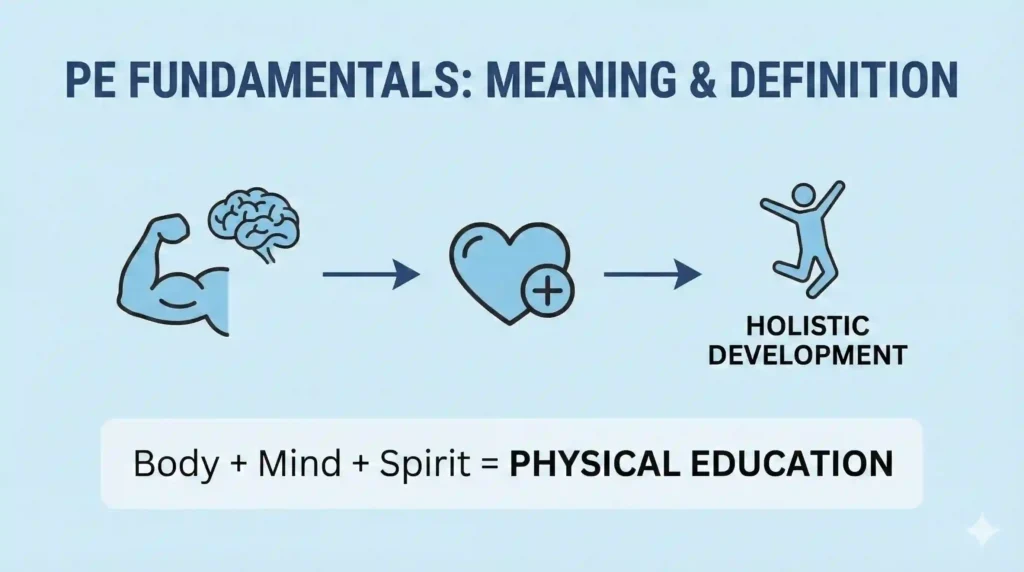
Explore the deep-rooted concepts of Physical Education. It is not just about playing games; it is the systematic study of physical literacy and its role in human evolution. Understand how PE transforms a simple workout into a structured educational journey. Read Detailed Meaning & Definitions →
The Purpose: Objectives of PE
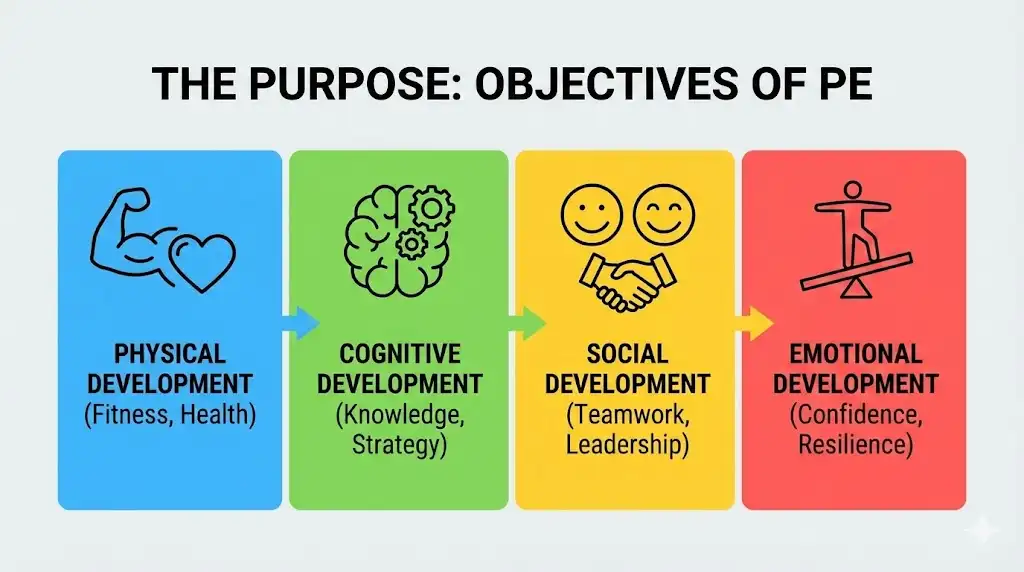
What are we trying to achieve on the sports field? This section covers the core objectives—from improving physical fitness and cognitive alertness to fostering social efficiency and emotional resilience. [Read Expert Guide: Purpose and Objectives of Physical Education →]
Impact: Scope & Importance of PE
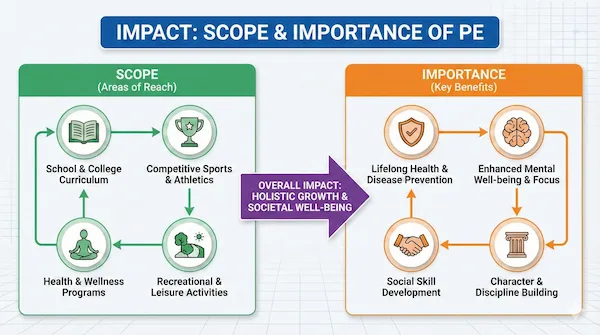
In a modern, sedentary world, the importance of PE is greater than ever. Learn how physical literacy impacts academic performance, reduces stress, and combats lifestyle diseases globally→ Impact, Scope & Importance of Physical Education
The Logic: Sports Science
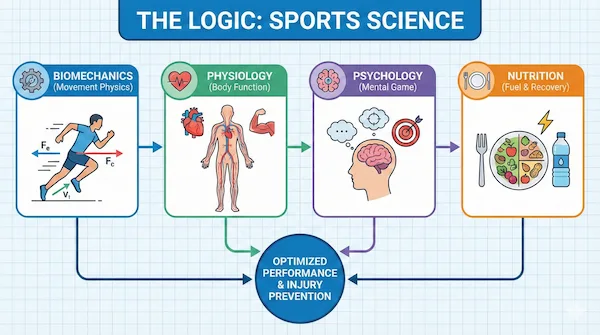
Go behind the scenes of human performance. This section simplifies complex topics like Anatomy, Physiology, and Biomechanics. Learn how forces act on the body and how our internal systems adapt to training → Explore the Logic of Sports Science
Performance: Training Methods
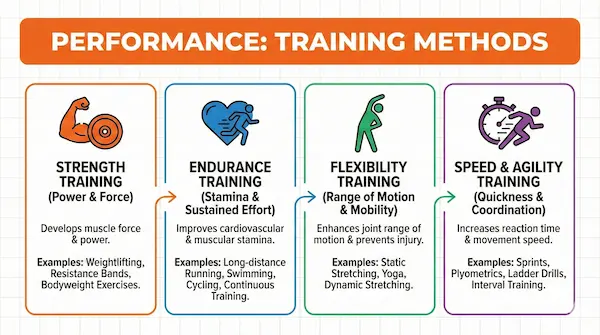
Maximize your potential with scientifically proven training protocols. We break down methods for building
[strength training methods], [endurance training techniques], and [agility and speed training]—helping you clearly understand the difference between [Fartlek training], [plyometric exercises], and [interval training sets] → Explore Performance: Training Methods
Longevity: Health & Nutrition
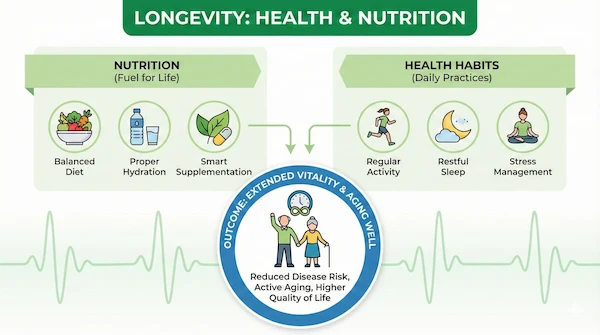
Physical activity is only half the battle. This section focuses on fueling the body with a balanced diet and managing recovery to support long-term health and performance →Longevity: Health & Nutrition
According to the World Health Organization (WHO) physical activity guidelines, regular participation in structured physical activity significantly reduces the risk of cardiovascular diseases, obesity, type 2 diabetes, and other non-communicable conditions while improving overall mental and physical well-being.
Careers in Physical Education
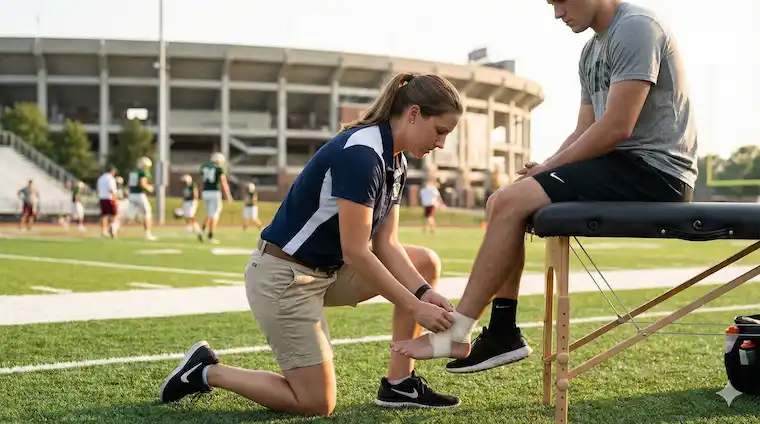
Careers in Physical Education are no longer limited to teaching or coaching alone. With the rapid growth of sports, fitness, health, and performance industries, Physical Education has evolved into a diverse professional field offering rewarding and respected career paths. From schools and universities to elite sports teams, healthcare centers, and corporate wellness programs, PE professionals are shaping healthier and more active societies.
Global Career Opportunities in Physical Education
Physical Education offers diverse and rewarding career opportunities across educational institutions, sports organizations, healthcare systems, and the fitness industry worldwide. As global awareness of health, performance science, and active lifestyles continues to grow, professionals in this field are increasingly in demand.
School Physical Education Teacher
A School Physical Education Teacher designs and delivers structured physical activity programs within primary and secondary education systems. They promote physical literacy, teamwork, discipline, and lifelong fitness habits among students. Beyond teaching sports skills, they play a vital role in shaping healthy behaviors and holistic development.
University Lecturer / Researcher
University Lecturers and Researchers contribute to higher education and academic advancement in Physical Education and Sports Science. They teach undergraduate and postgraduate students while conducting research in areas such as exercise physiology, biomechanics, sports psychology, and pedagogy. Their work helps expand scientific knowledge and improve educational standards globally.
Sports Scientist
Sports Scientists apply scientific principles to enhance athletic performance and reduce injury risk. They analyze biomechanics, physiology, nutrition, and recovery strategies to optimize training programs. Working with athletes, teams, and sports organizations, they bridge the gap between research and practical performance.
Strength & Conditioning Specialist
Strength and Conditioning Specialists focus on improving athletic power, speed, endurance, and injury prevention. They design individualized training programs based on scientific principles of overload, specificity, and recovery. These professionals work with athletes at various levels, from youth development to elite competition.
Athletic Trainer
Athletic Trainers specialize in injury prevention, assessment, and rehabilitation. They collaborate with coaches, physicians, and sports professionals to ensure safe participation in physical activities. Their role is essential in maintaining athlete health and supporting recovery after injury.
Sports Psychologist
Sports Psychologists work on the mental and emotional aspects of performance. They help athletes develop confidence, focus, resilience, and stress management skills. Mental preparation is a crucial component of high-level performance, making this profession increasingly valuable in competitive sports environments.
Fitness Consultant
Fitness Consultants design personalized exercise programs for individuals seeking improved health, fitness, and lifestyle balance. They may work in gyms, wellness centers, corporate environments, or independently. Their goal is to promote sustainable physical activity habits tailored to individual needs.
Sports Administrator
Sports Administrators manage the organizational and operational aspects of sports programs, clubs, and institutions. They oversee planning, budgeting, policy development, and event coordination. Their leadership ensures that sports systems function efficiently at local, national, and international levels.
Required Qualifications & Skills
Most careers in Physical Education require a degree or certification in Physical Education, Sports Science, Exercise Science, or related fields. Along with academic knowledge, essential skills include:
- Strong understanding of human movement and fitness principles
- Communication and leadership abilities
- Practical coaching and training experience
- Knowledge of injury prevention, nutrition, and recovery
Continuous learning through certifications and workshops is key to long-term success.
Future Scope of Physical Education Careers
As sedentary lifestyles, lifestyle diseases, and mental health challenges increase globally, the demand for qualified Physical Education professionals continues to grow. Careers in PE now extend beyond sports into healthcare, education, rehabilitation, and wellness industries, offering long-term stability and global opportunities.
Emerging & Future Careers in Physical Education
As technology, data analytics, and global wellness awareness continue to evolve, new and innovative career pathways are emerging within Physical Education and Sports Science. These roles combine traditional movement science with modern technology and interdisciplinary expertise.
Sports Data Analyst
Sports Data Analysts use performance metrics, wearable technology data, and statistical modeling to evaluate athletic performance. They help coaches and athletes make data-driven decisions to improve training efficiency and competitive outcomes.
Performance Technology Specialist
This role focuses on integrating wearable devices, motion tracking systems, and performance-monitoring tools into training programs. Specialists analyze physiological and biomechanical data to enhance performance and reduce injury risk.
Corporate Wellness Consultant
Corporate Wellness Consultants design fitness and health programs for organizations aiming to improve employee well-being, productivity, and long-term health outcomes. As workplace health becomes a priority globally, demand for this role continues to grow.
Esports Physical Trainer
With the rise of competitive gaming, physical trainers now work with esports athletes to improve posture, endurance, mental resilience, and injury prevention. This is a rapidly expanding niche that blends traditional fitness with digital performance demands.
Rehabilitation & Exercise Therapy Specialist
Professionals in this field use exercise-based interventions to support recovery from injuries and chronic health conditions. They often collaborate with healthcare providers to promote safe and effective rehabilitation strategies.
Career Path Comparison in Physical Education
Add this table after the careers sections:
| Career Path | Work Environment | Primary Focus | Typical Qualification |
|---|---|---|---|
| School PE Teacher | Schools | Student development & physical literacy | Degree in Physical Education |
| University Lecturer | Universities | Teaching & research | Master’s / PhD |
| Sports Scientist | Sports labs / Teams | Performance analysis | Degree in Sports Science |
| Strength & Conditioning Specialist | Training centers / Teams | Athletic performance | Certification + Degree |
| Athletic Trainer | Sports teams / Clinics | Injury prevention & rehab | Sports medicine qualification |
| Sports Psychologist | Teams / Private practice | Mental performance | Psychology degree + specialization |
| Fitness Consultant | Gyms / Corporate | Health & lifestyle improvement | Fitness certification |
| Sports Administrator | Sports organizations | Program management | Sports management degree |
👉 Explore all career paths, qualifications, and future opportunities in detail →Careers in Physical Education
❓ Frequently Asked Questions (FAQs)
Physical Education is a broad and evolving discipline. Below are answers to some of the most commonly asked questions about its meaning, objectives, and global relevance.
1. What is Physical Education?
Physical Education is a structured educational discipline focused on the development of physical fitness, movement skills, and holistic well-being. It integrates scientific principles from anatomy, physiology, psychology, and biomechanics to promote lifelong health and performance.
2. Why is Physical Education important in schools?
Physical Education plays a vital role in promoting physical literacy, teamwork, discipline, and healthy lifestyle habits among students. It supports not only physical development but also cognitive growth, emotional resilience, and social skills.
3. Is Physical Education considered a science?
Yes. Modern Physical Education is supported by scientific disciplines such as exercise physiology, biomechanics, sports psychology, and nutrition science. These fields provide evidence-based foundations for training, performance, and health improvement.
4. What are the main objectives of Physical Education?
The primary objectives of Physical Education include improving physical fitness, developing motor skills, enhancing mental focus, fostering social cooperation, and promoting lifelong healthy habits.
5. What careers are available in Physical Education?
Career opportunities include School Physical Education Teacher, Sports Scientist, Strength & Conditioning Specialist, Athletic Trainer, Sports Psychologist, Fitness Consultant, and Sports Administrator. Emerging fields also include sports data analytics and performance technology.
6. How does Physical Education contribute to long-term health?
Regular physical activity through structured Physical Education programs helps reduce the risk of non-communicable diseases, improves cardiovascular health, supports mental well-being, and encourages active aging.
7. What is the difference between Physical Education and sports?
Physical Education is an educational discipline that focuses on holistic development and movement learning, while sports are structured competitive activities. Sports may be part of Physical Education programs, but PE is broader in scope.
8. How is Physical Education evolving in the modern world?
Physical Education is increasingly integrating technology, data analytics, wearable devices, and interdisciplinary research to enhance performance, safety, and long-term wellness across diverse populations.
Expert Tips for Success in Physical Education
Whether you are a student, educator, or aspiring professional, mastering Physical Education requires both theoretical understanding and practical application. The following expert insights can help you build a strong foundation and long-term success in the field.
1. Focus on Fundamentals First
A strong understanding of movement basics, anatomy, and training principles creates the foundation for advanced performance and specialization. Do not rush into complex techniques without mastering core concepts.
2. Integrate Science with Practice
Physical Education is not only about activity — it is science-based. Apply principles from exercise physiology, biomechanics, and psychology when designing training or teaching sessions.
3. Prioritize Holistic Development
True Physical Education supports physical, mental, emotional, and social growth. Encourage teamwork, discipline, resilience, and leadership alongside physical fitness.
4. Stay Updated with Research and Technology
Modern Physical Education increasingly incorporates wearable devices, performance analytics, and sports science research. Continuous learning ensures professional relevance in a rapidly evolving field.
5. Emphasize Injury Prevention and Recovery
Performance improvement should always be balanced with proper recovery strategies. Overtraining, poor technique, and insufficient rest can hinder long-term progress.
6. Promote Lifelong Physical Activity
The ultimate goal of Physical Education is not short-term performance, but sustainable, lifelong health. Encourage habits that extend beyond school or competitive environments.
7. Develop Communication and Leadership Skills
Effective Physical Education professionals inspire and motivate others. Strong communication, empathy, and leadership abilities are just as important as technical knowledge.