
Sports Science: Understand Movement, Performance & Human Adaptation
Explore Sports Science through anatomy, exercise physiology, biomechanics, kinesiology, strength and conditioning, sports nutrition, sports psychology, and evidence-based performance learning.
What Is Sports Science?
Understand how scientific principles explain movement, training, adaptation, performance, and recovery.
Sports Science is an interdisciplinary field that examines how the human body moves, responds to physical activity, adapts to training, performs under physical demands, and recovers.
FitEduHub brings these areas together in a structured learning environment for students, athletes, PE teachers, coaches, and fitness learners.
Start With the Core Logic of Sports Science
Begin with the detailed guide that explains the scientific reasoning behind sports performance and connects the major Sports Science disciplines.
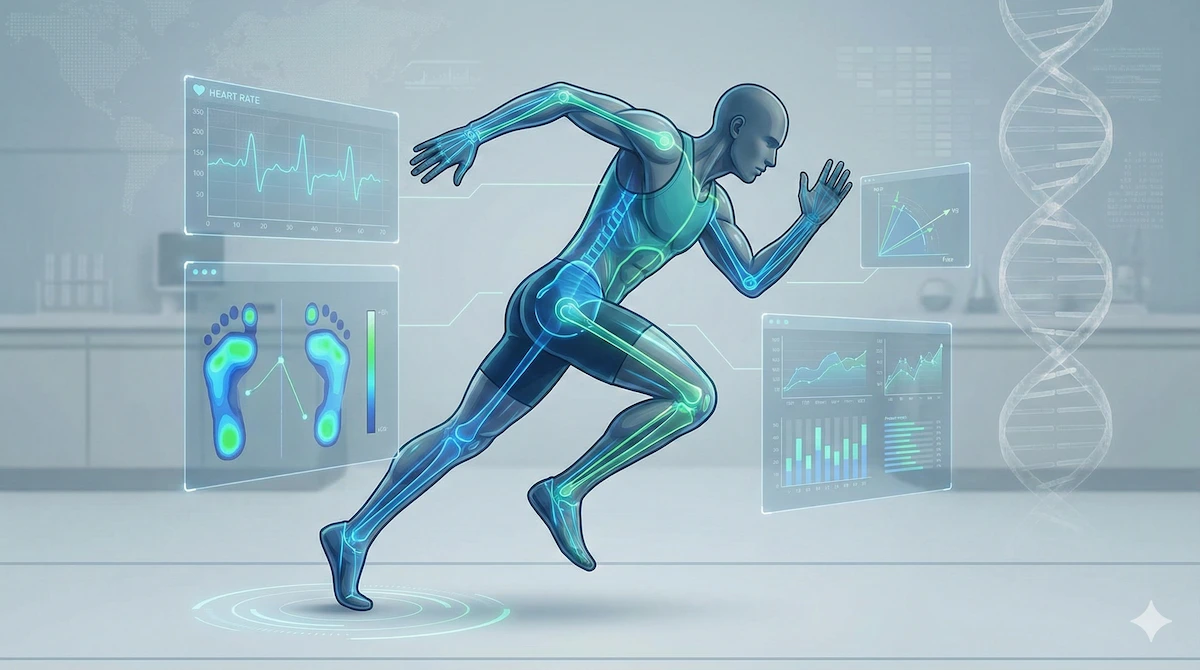
The Core Logic of Sports Science: How Science Unlocks Peak Athletic Performance
Explore scientific reasoning, exercise physiology, biomechanics, psychology, motor learning, sports nutrition, recovery, periodization, and evidence-based training.
Read the Complete Guide →Explore Sports Science
These article cards are automatically loaded from your Sports Science category. New Sports Science articles will appear here automatically after publication.
Sports Science Learning Path
A simple progression from understanding the body to understanding movement, performance, and recovery.
How Sports Science Works Together
The major branches of Sports Science are connected rather than isolated.
Movement & Technique
Understand how anatomy, biomechanics, and kinesiology work together to explain movement.
Body & Energy
Explore how body systems respond to exercise and support energy production during physical activity.
Training & Performance
Connect scientific principles with strength, conditioning, training, and performance development.
Mind, Fuel & Recovery
Understand how psychology, nutrition, and recovery support sustainable performance.
Frequently Asked Questions
Common questions about Sports Science and its major areas.
What is Sports Science?
Sports Science is the interdisciplinary study of human movement, physical activity, exercise responses, training adaptation, performance, and recovery.
What are the main areas of Sports Science?
Major areas include anatomy, exercise physiology, biomechanics, kinesiology, strength and conditioning, sports nutrition, and sports psychology.
How does Sports Science support athletic performance?
Sports Science provides scientific concepts for understanding movement, adaptation, training demands, nutrition, recovery, and mental preparation.
Is Sports Science only for elite athletes?
No. Sports Science concepts can also be studied and applied in school education, fitness, recreational activity, coaching, and long-term physical development.
What should I study first in Sports Science?
A practical learning sequence is Anatomy, Exercise Physiology, Biomechanics, Anatomy & Kinesiology, Strength & Conditioning, Sports Nutrition, and Sports Psychology.
Continue Learning With FitEduHub
Connect Sports Science with Fitness & Training, Physical Education, and Sports & Games.